

What makes certain characters, creatures, locations and objects, both queer and uncanny?
Join me as I illustrate and analyse queer uncanny archetypes from across myth, film, TV and fiction 👻
I’ll examine archetypes such as characters, creatures, objects and places from a symbolic perspective, while also dipping into queer theory, cryptology and the gothic.
I’ll be looking at archetypal origins, pop culture references, and their cultural impact, while identifying and documenting all the gothic, liminal, and fabulously queer archetypes I can!
New archetypes will appear monthly from June 2026
FAQ
-
So hi, I’m Klaus Pierhotski.
I’m an illustrator and writer, and last year I published my first tarot deck, The Hierophanies Tarot.
I’ve always been fascinated by archetypes, and Jungian Psychologists such as Caroline Myss and Clarissa Pinkola Estes who use archetypes to decode and examine myths and stories.
I have a BA in Film, where I loved my film theory lectures, and I also have an MA in Creative Writing. My professional background is in Film, Academic Publishing and Higher Education.
-
The Queer Uncanny is a subset of the Gothic genre, with a queer theory focus.
The Uncanny is a phrase coined by psychologist Sigmund Freud in a short essay he wrote in 1919. In it he describes the heimlich, which is the familiar, and unheimlich, which is the unfamiliar, and the sense of unease when these both overlap.
Common examples of uncanniness are zombies and realistic robots, which are both familiar and unfamiliar at the same time. It’s the uncanniness of what we preceieve as human, but there also being something off, or not quite right, present as well. When this happens we tend to feel unsettled. That’s the realm of the uncanny.
We often see the uncanny in gothic and horror films and books, as monsters are often uncanny by nature. But we can also see the uncanny in other films and books, such as in novels by Japanese author Murakami.
-
An archetype is a universally understood symbol, term, or pattern of behaviour. Archetypes are often used in myths and storytelling across different cultures.
For example, we may say a character is a ‘princess’, because we think they behave in a way that we associate with princesses. We say things like this because we have a strong cultural idea of what princesses look and sound like, and how they behave.
We may call someone an ‘energy vampire’ to suggest someone is draining the life out of us.
Not that we think we’re actually being drained of blood, but using the metaphor of a creature that sucks out our life force is a useful shorthand.
Language is a place where we often notice archetypes, and Jungian psychologists call this ‘speaking archetypically,’ or more simply, speaking in symbols or metaphors.
Archetype means ‘original pattern’ in ancient Greek. Psychologist Carl Jung coined the term in his theory of the human psyche. He identified twelve universal archetypes that he thought resided within our collective unconscious.
He felt that all humans shared a ‘collective unconscious’, in which we all share understanding of symbols and ideas about the world. Almost like a worldwide telepathy.
There are many archetypes that very much feel universal, such as the prostitute and the victim, however many archetypes vary across cultures and communities.
As a white British person, I’ll be predominantly looking at archetypes from a Western lens, which means my findings may not resonate with people from other cultures, particularly cultures and communities in other hemispheres.
-
I’ll be using many strands of queer theory, film theory, cryptology, and literature theory, particularly looking at the Gothic and the Uncanny in both 19th century and modern literature.
I’ll be casting a wide net by looking at pop culture such as books and films, and other media such as comics or video games that I think contain gothic and/or uncanny elements.
-
Short answer- no! :)
I want this project to be as accessible as possible. I aim to write as plainly as I can and will provide a glossary and further study links as I go.
I may mention academic theories and use occasional academic language, but I’ll always explain myself when I do, so everyone can follow along.
-
Yes!
I intend to publish this as a deck in the near future, though I may not use the same archetypes I publish in this blog.
As a deck takes a long time to research and illustrate, this time I’m bringing you along with me and sharing much more of my process.
Hopefully this means you’ll enjoy the deck more when it’s published.
-
I’ll be releasing the Centaur blog on June 22nd for free, and after that I’ll be releasing an archetype illustration and article every month on the 22nd.
You can pay monthly or yearly to access all the upcoming blogs, either on my website here or on my Substack.
Or you can follow along for free to see every illustration and a short excerpt.
-
I’ll be publishing a new archetype every month in the 22nd, and intend to publish Season 1, which will be 12 archetypes in total, between June 2026 and June 2027.
Everyone will be able to read the first archetype, the Centaur for free.
Get access to each new archetype every month as they're posted. Season 1 will be twelve archetypes. One per month until June 2027. You'll get: -Instant access to any archetypes already published, and an email notification when new ones are published -A monthly illustration and article all about a queer uncanny archetype -Behind the scenes content such as sketches, sources and reading list
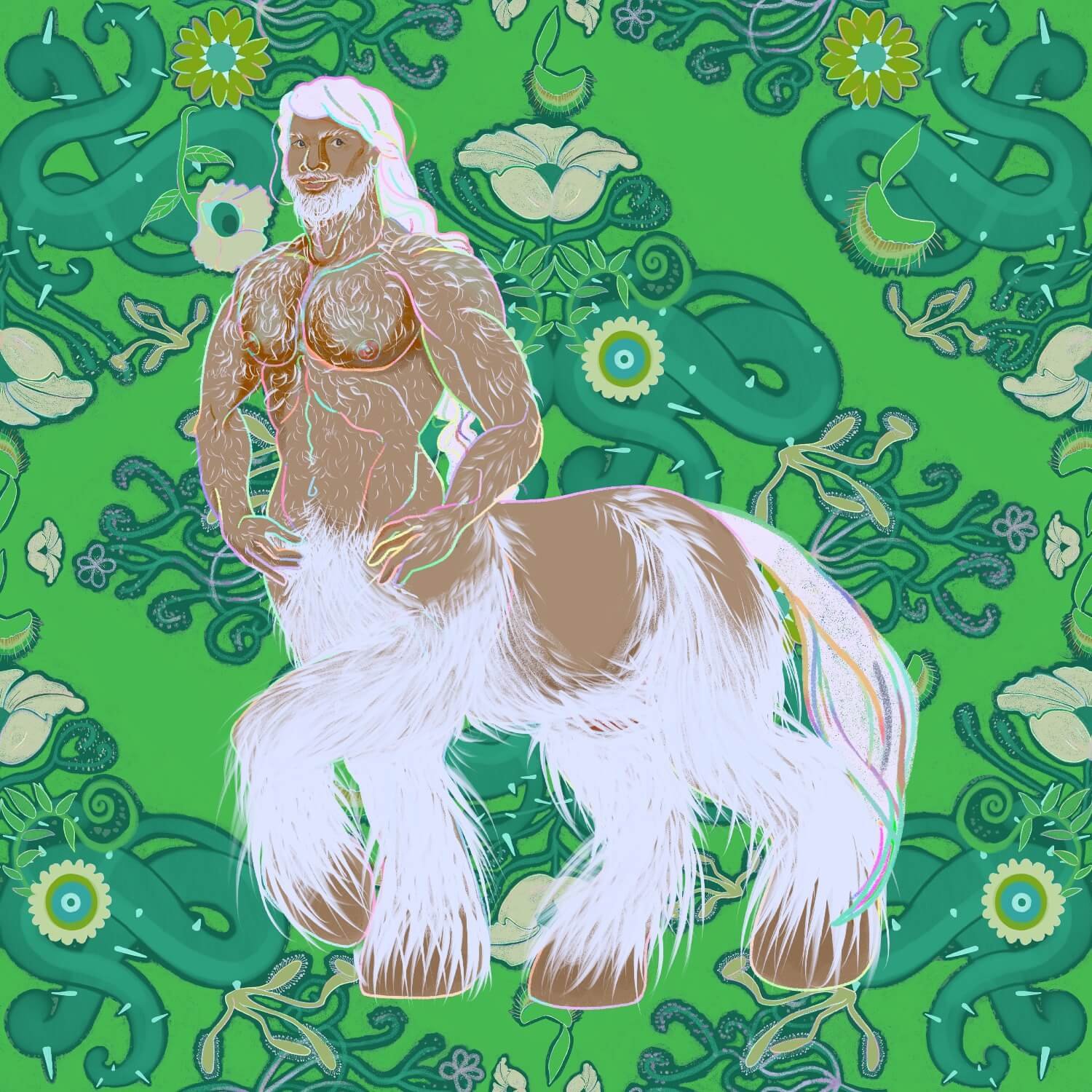
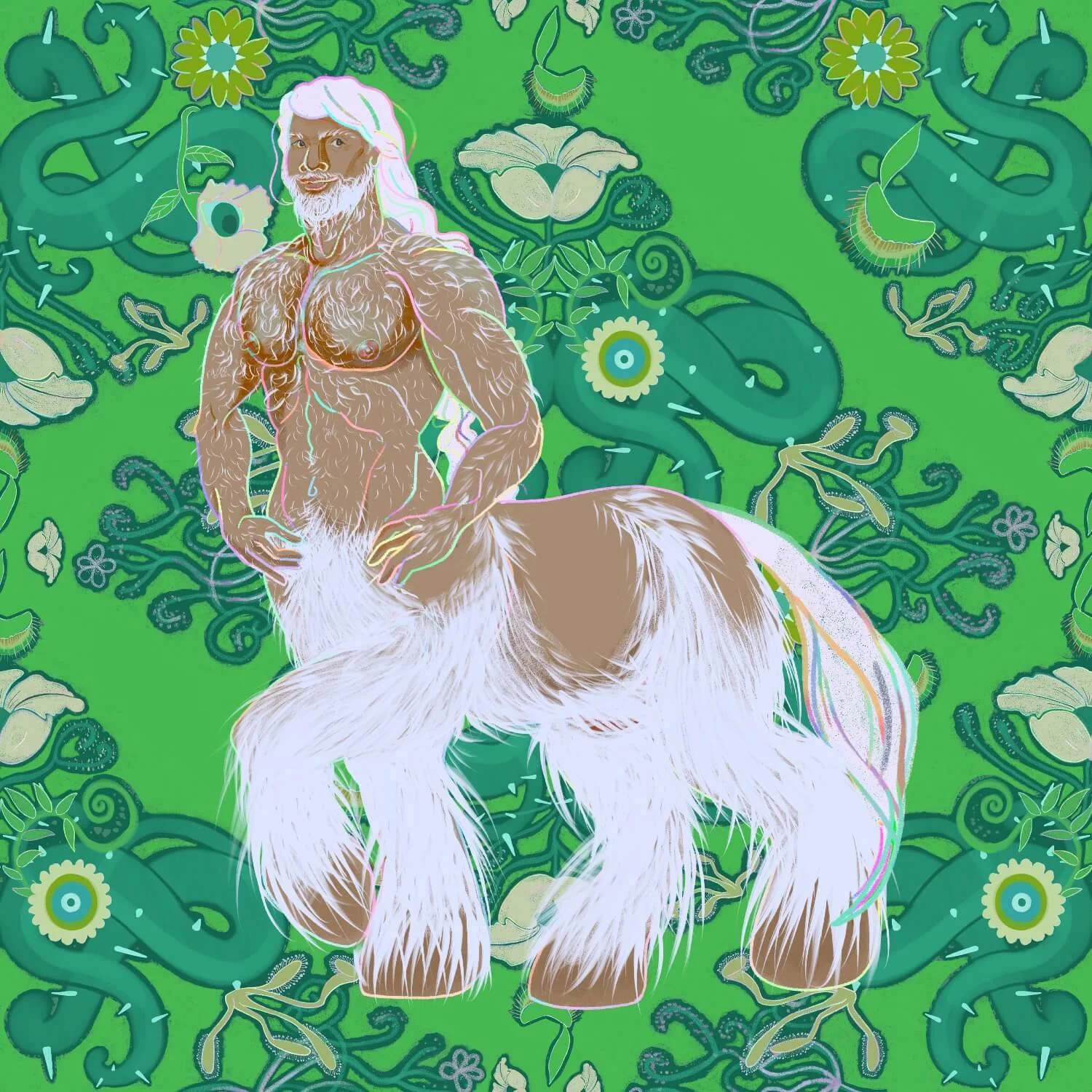
A lot of recent media featuring centaurs feature a sanitised version of the monster. The popular archetype of the wise centaur is often modelled from an early centaur character Chiron from Greek and Roman mythology, who was seen as an exception to his species.
And there are other depictions that feel true to the original nature of the centaur, in that they’re excellent fighters, but more honourable and sometimes kind, such as the centaurs from The Chronicles of Narnia and the Percy Jackson book series.
But we don’t even have to stray from the original mythology to find the queer roots of this monster!
Read now
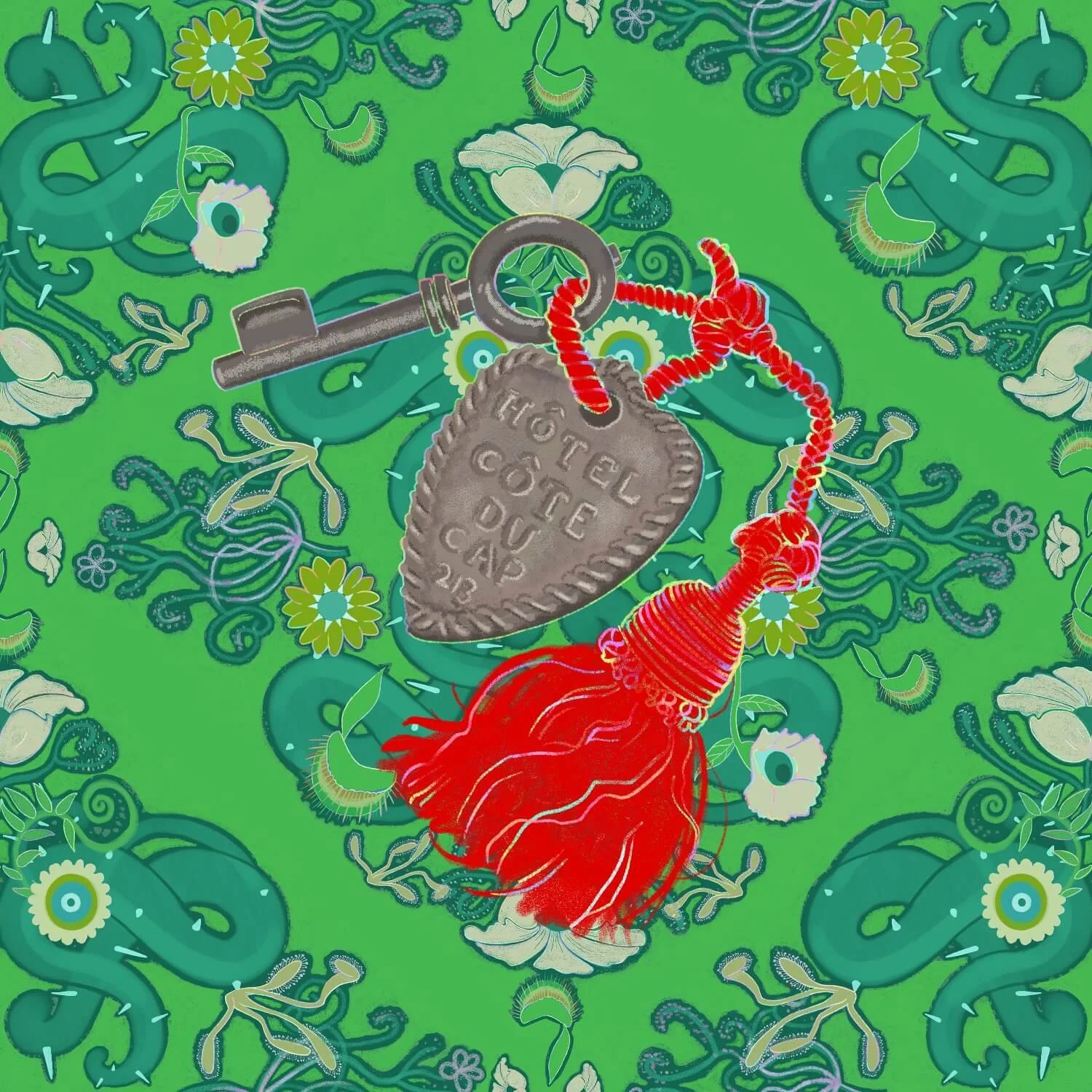
What is a key? They can be passwords, magical incantations, membership cards, bank cards, or even aspects of identity itself.
Status, race, wealth, family lineage, or social position can all function as keys, granting access to spaces, opportunities, and knowledge.
Read now
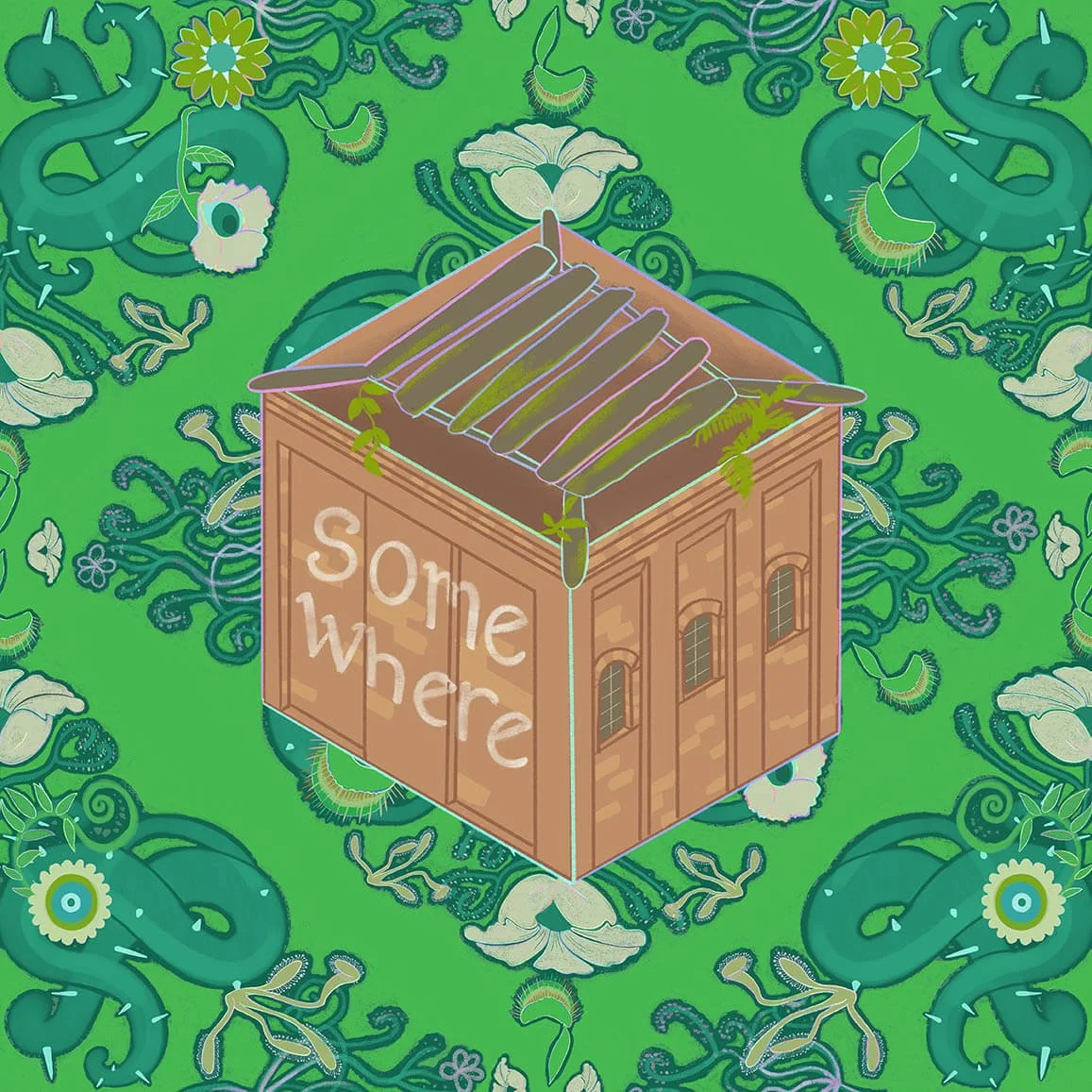
We tend to think in binaries. In or out. Here or there. Alive or dead. Human or monster. Man or woman. But why do we have to choose? Why can’t we just exist in a space?
The liminal isn’t just somewhere you pass through on the way to somewhere else. It can be a place in itself. And perhaps that is what makes it so uncanny and queer!
Read now
Reading Lists
-
Haggerty, G.E. (2006) Queer Gothic. Urbana: University of Illinois Press. (Good primer for the queer gothic.)
Halperin, D.M. (1990) One Hundred Years of Homosexuality and Other Essays on Greek Love. New York: Routledge. (Good general history of queer identities.)
Butler, J. (1990) Gender Trouble: Feminism and the Subversion of Identity. New York: Routledge. (Classic queer theory book, but dense and academic. Try the introduction and Chapter 1 to get you started.)
Freud, S. (1955) ‘The uncanny’, in Strachey, J. (ed.) The Standard Edition of the Complete Psychological Works of Sigmund Freud, Vol. XVII. London: Hogarth Press, pp. 217–256. (Freud’s short essay about the uncanny- though many authors in this list summarise the essay very well in their books about the uncanny.)
Royle, N. (2003) The Uncanny. Manchester: Manchester University Press. (One of the key books on the uncanny.)
Kristeva, J. (1982) Powers of Horror: An Essay on Abjection. Translated by L.S. Roudiez. New York: Columbia University Press. (Some really good stuff in here about body horror, abjection, and the monstrous feminine in particular.)
Creed, B. (1993) The Monstrous-Feminine: Film, Feminism, Psychoanalysis. London: Routledge. (LOVED this book- all about monstrous women. and female coded monsters. Easy to devour :) )
Hurley, K. (1996) The Gothic Body: Sexuality, Materialism, and Degeneration at the Fin de Siècle. Cambridge: Cambridge University Press. (Amazing key text- excellent primer for all things gothic, particularly 18th and 18th century gothic classics)
Halberstam, J. (1995) Skin Shows: Gothic Horror and the Technology of Monsters. Durham, NC: Duke University Press. (Queer readings of gothic monsters- really interesting.)
Sedgwick, E.K. (1990) Epistemology of the Closet. Berkeley: University of California Press. (Very dense and academic- but it’s lovely meaty queer theory that gets quoted a lot- for good reason!!)
Barker, M.-J. and Scheele, J. (2016) Queer: A Graphic History. London: Icon Books. (A very accessible introduction to queer theory with lots of illustrations)
Luckhurst, R. (2021) Gothic: An Illustrated History. London: Thames & Hudson. (This is a beautifully illustrated overview of gothic history, aesthetics, themes, and monsters- more of a coffee table book but is a great overview!)
Ham, J. (2023) Women and Other Monsters: Building a New Mythology. London: Vintage. (Fantastic and easy to read- all about feminine coded monsters)
Cohen, J.J. (1996) ‘Monster culture (seven theses)’, in Cohen, J.J. (ed.) Monster Theory: Reading Culture. Minneapolis: University of Minnesota Press, pp. 3–25. (One of the foundational monster studies texts- hugely influential. You can find this chapter online and it’s an excellent start)
Ronnberg, A. and Martin, K. (eds.) (2010) The Book of Symbols: Reflections on Archetypal Images. Cologne: Taschen. (Huge and beautifully illustrated reference book full of archetypes, symbols, myths, and imagery. More of a coffee table book that doesn’t go into much detail)
Sage, J. (2001) A Dictionary of Symbols. London: Penguin Books. (This is a dense little dictionary of symbols- really useful reference!)
Jung, C.G. (1964) Man and His Symbols. London: Aldus Books. (About archetypes, from the man who coined the term! Is very dense and abstract in places, but it’s good to go back to the source of all things archetype.)
Krans, K. (2018) The Wild Unknown Archetypes Deck and Guidebook. New York: HarperOne. (My favourite card deck all about archetypes- easy to read and great to read with :) )
Brown, A. (2023) Unlikeable Female Characters: The Women Pop Culture Wants You to Hate. London: 404 Ink. (Easy to read and great for thinking about the monstrous feminine gender expectations, and culturally “difficult” women.)
Spooner, C. and McEvoy, E. (eds.) (2022) The Routledge Handbook to the Ghost Story. London: Routledge. (Big academic overview of ghost stories of all types, such as ghost animals, etc)
Stockton, W.C. (2021) The Shapes of Fancy: Reading for Queer Desire in Early Modern Literature. Minneapolis: University of Minnesota Press. (Explores queer desire in early modern literature, but I’ve founds this book very useful to read queer desire in the monstrous and gothic)
Sugg, R. (2024) Shapeshifters: A History. London: Reaktion Books. (Full of shapeshifting myths, folklore, bodies, and transformation across cultures. Easy to read)
Myss, C. (2001) Sacred Contracts: Awakening Your Divine Potential. New York: Harmony Books. (Myss’s books are really accessibly written, and many are available as audiobooks. Her website also has lots of free content: Caroline Myss Archetypes
-
Newman, K. (1987) “You’ll have your daughter cover’d with a Barbary horse”: the representation of black male sexuality in Shakespeare’s Othello’, Essays in Literature, 14(1), pp. 75–85. ( I read this during my deep dive into hobby-horses, and it was useful when exploring early attitudes to centaur/horse hybrid creatures and early modern anxieties about sexuality.)
Barker, P. (2004) Camp! The Story of the Attitude That Conquered the World. London: National Portrait Gallery Publications. (Accessibly written book about the cultural history of camp aesthetics- this was very useful!)
Booth, M. (1983) Camp. London: Quartet Books. (also a fantastic book about camp as performance and queer coding.)
Robertson, P. (1996) Guilty Pleasures: Feminist Camp from Mae West to Madonna. Durham, NC: Duke University Press. (Feminist readings of camp, performance and gender play- I found it useful to read Booth and Parker’s book first, then come to this one)
Ravelhofer, B. (1999) ‘Hybrid creatures in context: centaurs, hobby-horses and sexualised women in Hamlet, King Lear, and The Two Noble Kinsmen’, in Fudge, E. (ed.) Renaissance Beasts: Of Animals, Humans, and Other Wonderful Creatures. Urbana: University of Illinois Press, pp. 155–179. (I didn’t think this would be so relevant, but this essay took my article in a whole new direction towards hobby-horses!! Was fantastic for pointing me towards early depictions and attitudes towards centaurs/ horse hybrids.)
Clover, C.J. (1992) Men, Women, and Chain Saws: Gender in the Modern Horror Film. Princeton, NJ: Princeton University Press. (Well known horror studies text about gendered monstrosity and body horror.)
Ovid (2004) Metamorphoses: A New Translation, Contexts, Criticism. Edited by C. Martin. New York: W.W. Norton. (There are many different translations of this book, but this came highly recommended)
Ovid (2004) Metamorphoses: A New Verse Translation. Translated by D. Raeburn. London: Penguin Classics. (Also very readable translation, but I preferred the translation by Charles Martin)
Hamilton, E. (1942) Mythology: Timeless Tales of Gods and Heroes. Boston: Little, Brown and Company. (This was an accessible overview of Greek mythology, as I came into this not knowing much about Greek mythology.)
Powrie, P., Davies, A. and Babington, B. (eds.) (2004) The Trouble with Men: Masculinities in European and Hollywood Cinema. London: Wallflower Press. (I was specifically looking at books about how men and masculinity were depicted in film.)
Halberstam, J. (1995) Skin Shows: Gothic Horror and the Technology of Monsters. Durham, NC: Duke University Press. (Queer readings of gothic monsters- really interesting)
Spooner, C. and McEvoy, E. (eds.) (2022) The Routledge Handbook to the Ghost Story. London: Routledge. (Big overview of hauntings of all types- I found the ghost animals chapter really useful for this archetype, as it contained lots of information about Darwinian anxiety)
Season 1: The Liminal
What is real? And whose reality matters?
INTRODUCTION
We tend to think in binaries. In or out. Here or there. Alive or dead. Human or monster. Man or woman. But why do we have to choose? Why can’t we just exist in a space?
This space in-between is where we find the liminal.
The liminal is itself an archetype which means the space in between somewhere and somewhere else. Liminal comes from the Latin word limen, which means threshold. It can be a doorway, a border, a bridge, or a corridor. But liminality doesn’t have to be physical. We can emotionally, psychologically or spiritually exist in the liminal, too. It’s neither here no there, but is a place in itself.
Liminal space can be the space between childhood and adulthood, life and death, waking and dreaming, and between one identity and another.
The liminal isn’t just somewhere you pass through on the way to somewhere else. It can be a place in itself. And perhaps that is what makes it so uncanny, and queer!
Season 1: Key
Who is locked in, and who is locked out?
“I hold the lock and you hold the key.”
Madonna, ‘Open your Heart’, True Blue, 1986, Warner Bros / Sire
INTRODUCTION
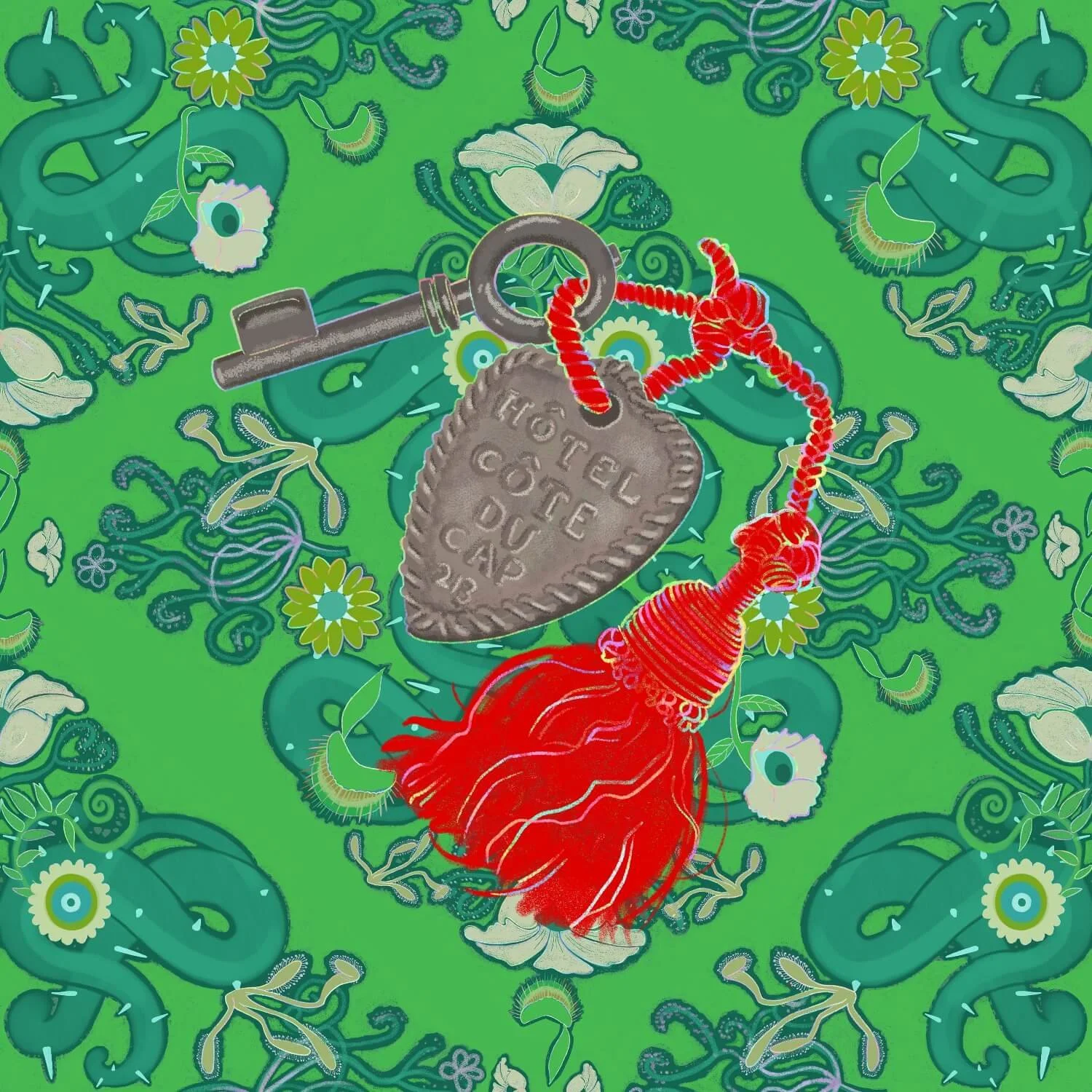
What is a key? They can be passwords, magical incantations, membership cards, bank cards, or even aspects of identity itself. Status, race, wealth, family lineage, or social position can all function as keys, granting access to spaces, opportunities, and knowledge.
Keys are not politically neutral. Looking at this archetype queerly invites us to ask who controls access, who decides who may enter, and who is permitted to possess knowledge in the first place.
Season 1: Centaur
Season 1: Centaur
More than just (W)horses
“Horses are just men extenders.”
Ken, Barbie movie (2013)
INTRODUCTION
“Two months since / Here was a gentleman of Normandy - / I have seen myself, and serv’d against, the French, / And they can well on horseback, but this gallant / Had witchcraft in’t. He grew unto [F into] his seat, / And to such wondrous doing brought his horse / As had he been incorps’d and demi-natur’d / With the brave beast.” (1)
Centaurs have a sexualised reputation compared to other mythical creatures. There’s something more primal and dangerous about them, moreso perhaps that they have half human man.
In greek and Roman mythology they’re often depicted as lustful, violent and not very intelligent:
“Iconographically, centaurs “symbolise lust, with all the brute violence which can reduce mankind to the level of beasts unless it is counterbalanced by spiritual strength. They are a striking image of the twofold nature of mankind- half God and half beast.” (2)
As monsters, centaurs are considered uncanny due to their half-man half-beast hybrid body.
Centaurs are a mythical creature that we more typically associate with masculinity due to their imposing bodies and toxic masculinity:
“Centaurs, male and female, lived in mountains and in forests, fed on raw flesh, could not drink wine without getting drunk, went about in herds and were very prone, if male, to rape mortal women. They represent man’s animal nature.” (3)
A lot of recent media featuring centaurs feature a sanitised version of the monster. The popular archetype of the wise centaur is often modelled from an early centaur character Chiron from Greek and Roman mythology, who was seen as an exception to his species.
And there are other depictions that feel true to the original nature of the centaur, in that they’re excellent fighters, but more honourable and sometimes kind, such as the centaurs from The Chronicles of Narnia and the Percy Jackson book series.
And there’s the more interesting Bojack from Bojack Horseman, who, like his centaur ancestors, was also a hot mess.
But we don’t even have to stray from the original mythology to find the queer roots of this monster!